
If you’re looking for a Choquequirao visitor guide, you’re already ahead of the travel curve. Tucked deep in the Andes, Choquequirao is often called the sister city of Machu Picchu, but with one major difference: it receives less than 5% of the visitors. This makes it one of the most rewarding and intimate archaeological sites in South America.
What Is Choquequirao and Why Visit?
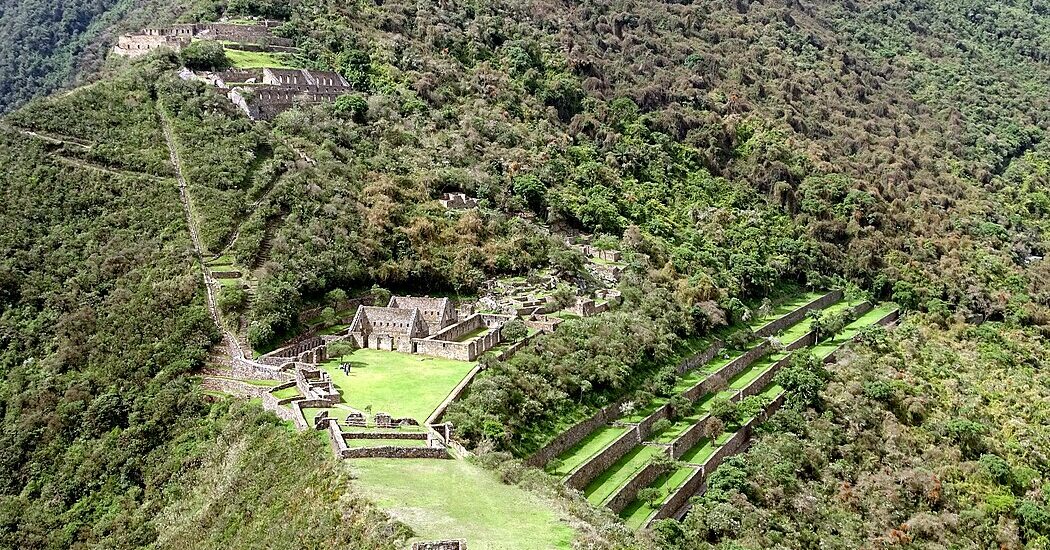
Choquequirao is a massive Inca site that remains largely unrestored. It sprawls across a ridge above the Apurímac River and mirrors Machu Picchu in structure and significance. Historians believe it served as one of the last strongholds of the Inca resistance. Because of its remote location and the lack of train or road access, it has stayed well under the radar.
For those passionate about the lost cities of Peru, Choquequirao is as real as it gets.
Getting There: Trekking Requirements and Routes
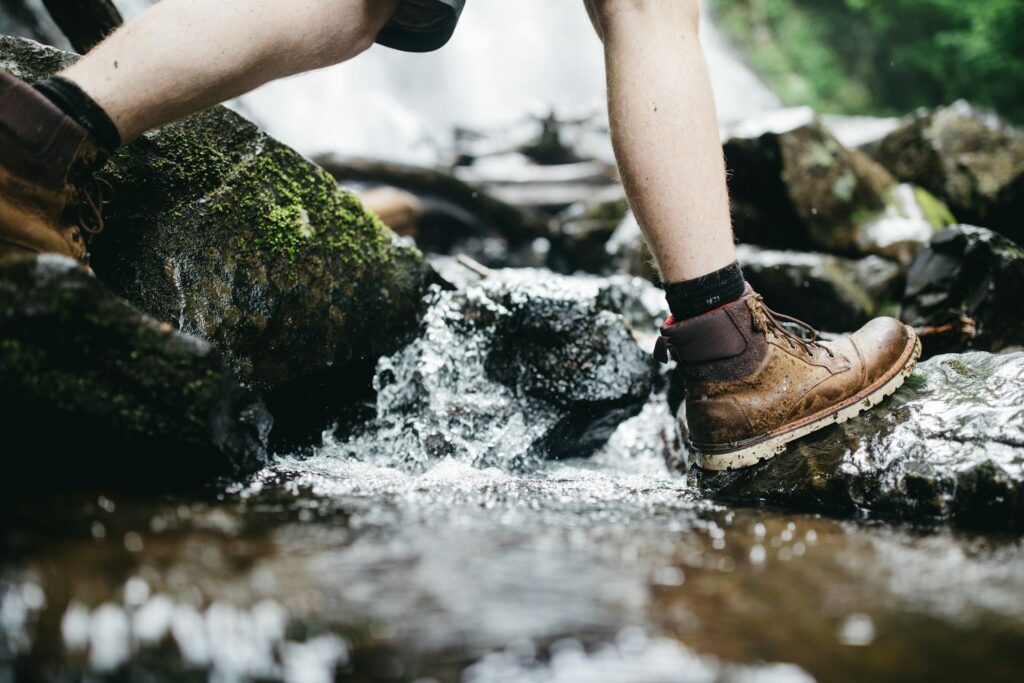
You can’t drive or train your way to Choquequirao. The only way in is by foot. The trek to Choquequirao is a challenging multi-day hike that begins near the town of Cachora, about four hours from Cusco. It involves steep descents and ascents, river crossings, and exposed ridgelines. You should be in good physical condition.
The classic route takes 4 days round-trip. If you’re up for more, many extend it into a longer 8-9 day trek that connects to Machu Picchu — a true Machu Picchu alternative.
Check out our Beginner’s Guide to Trekking in Peru Beyond the Inca Trail to help plan your fitness and gear.
Cable Car to Choquequirao: Coming Soon?
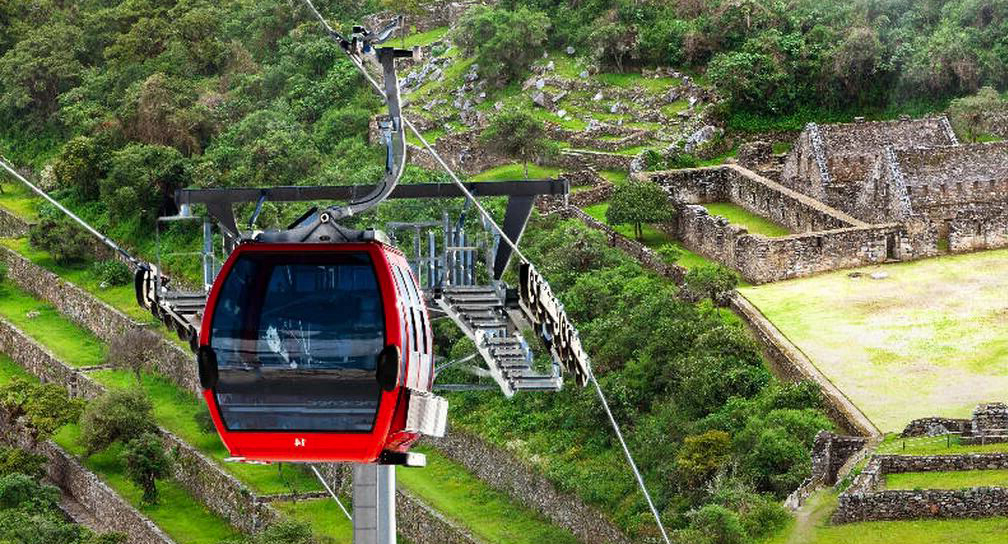
A government-backed cable car project has been in the works for years, aimed at drastically increasing visitor numbers by cutting travel time from days to minutes. While delays are common, this development could eventually shift Choquequirao from a remote escape to a mainstream stop. Until then, those who go now will enjoy its solitude.
Best Time to Visit Choquequirao
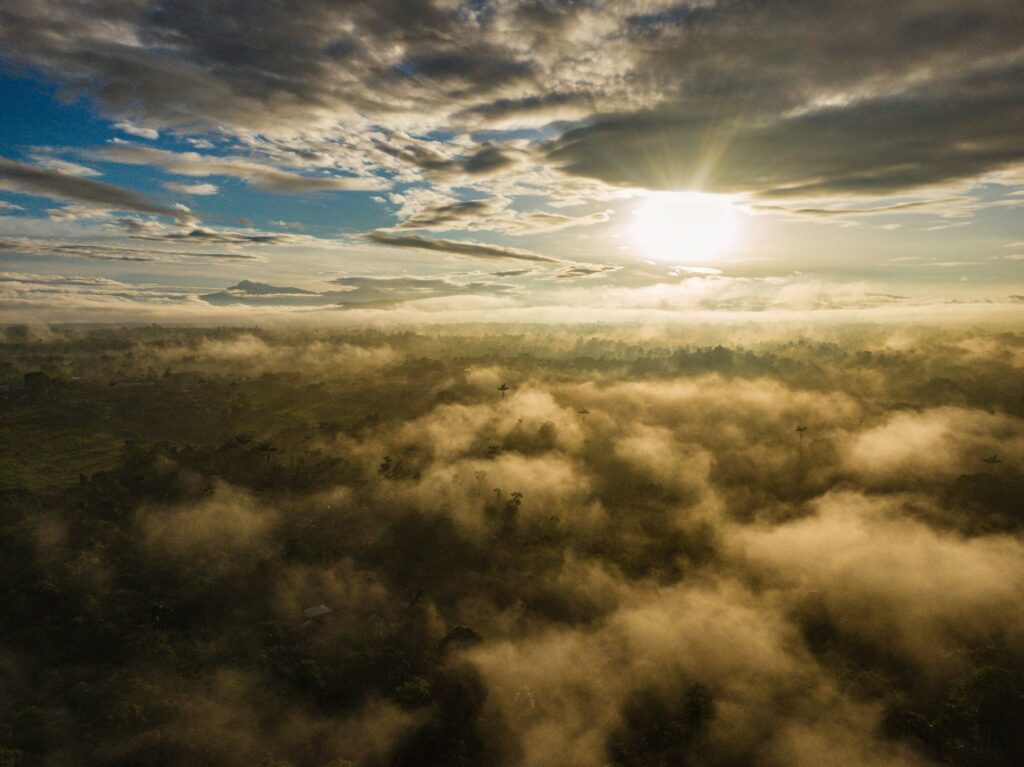
The dry season (May to October) offers the best trail conditions. Days are sunny, and the risk of landslides is lower. That said, this is also when more people consider the trek. If you want even fewer fellow hikers, try shoulder months like April or November.
We dive deeper into weather planning in our Best Time to Visit Machu Picchu guide — many of the same insights apply.
Packing and Fitness: What You Really Need
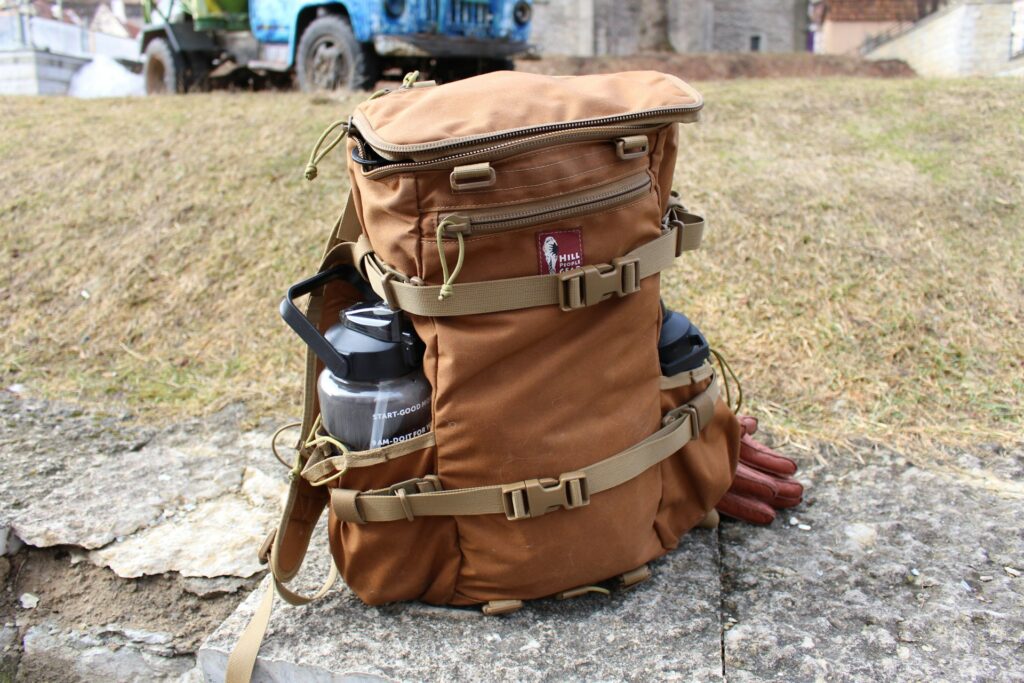
Be prepared for rugged terrain and altitude. Here are a few essentials:
- Layers for variable weather
- High-calorie snacks
- Trekking poles
- Water purification tablets
- A solid tent and sleeping bag
Altitude affects everyone differently. Read up on Cusco Elevation and Altitude Sickness before you go.
For a full checklist, our What to Pack for Peru post is a great resource.
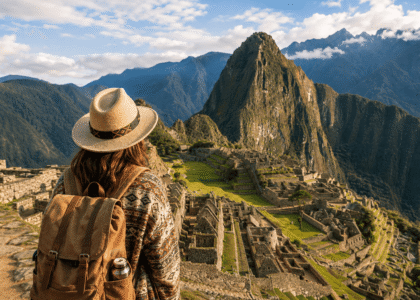
Choquequirao vs. Machu Picchu
Both sites are incredible, but they offer very different experiences:
- Crowds: Machu Picchu sees over a million visitors a year. Choquequirao? Just a few thousand.
- Access: One is a train ride away; the other demands a serious hike.
- Preservation: Machu Picchu is restored and manicured. Choquequirao is raw and wild.
- Cultural Feel: Machu Picchu can feel like a highlight reel. Choquequirao feels like a secret.
Want more off-the-beaten-track ideas? Check out Top 10 Cultural Experiences in Peru That Go Beyond Machu Picchu.
How Explorify Can Help
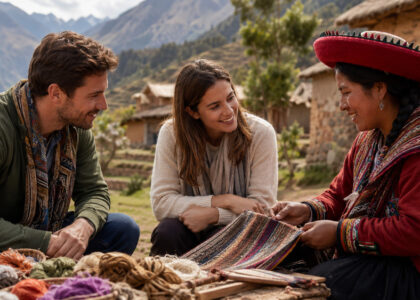
We specialize in getting you beyond the guidebook. Explorify offers full logistics support for the Choquequirao trek: certified guides, acclimatization days in Sacred Valley, cultural immersion, and add-ons like Lima food tours or Cusco city explorations.
Whether you’re into remote hikes or interested in Machu Picchu alternatives, we’ve got you covered from first step to final view.
Want to Explore Choquequirao?
Let us help you experience Peru’s other lost city. Book your expedition here.