
Traveling to Peru on your own does not have to mean experiencing the entire trip alone.
For many travelers, solo travel is appealing because it offers independence. You can choose the destination, decide when to travel, and focus on the experiences that matter most to you.
But planning every transfer, ticket, hotel, guided visit, and transportation connection by yourself can also take a great deal of time.
That is where small-group travel can offer a useful middle ground.
A thoughtfully planned small-group journey gives solo travelers the chance to meet other people while still enjoying personal space, local expertise, and time to explore independently.
In Peru, that balance can be especially valuable. A trip may include major cities, high-altitude destinations, archaeological sites, rural communities, train journeys, markets, and several types of transportation.
Here is how solo travelers can decide whether joining a small group in Peru is right for them.
Is Peru a Good Destination for Solo Travelers?
Peru offers a wide range of experiences that can suit people traveling independently.
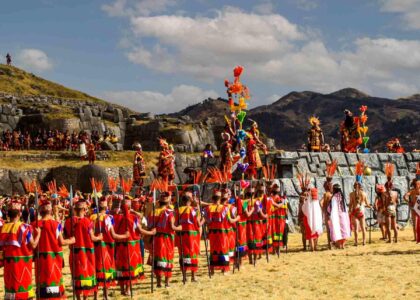
Lima combines food, history, neighborhoods, museums, archaeological sites, and contemporary cultural life. Cusco and the Sacred Valley connect travelers with Inca heritage as well as living Andean communities. Peru’s official tourism platform also highlights community-based experiences in both Lima and the Sacred Valley as ways to learn about local culture beyond traditional sightseeing.
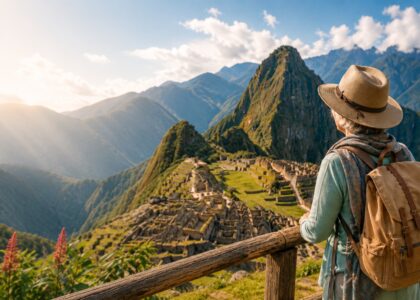
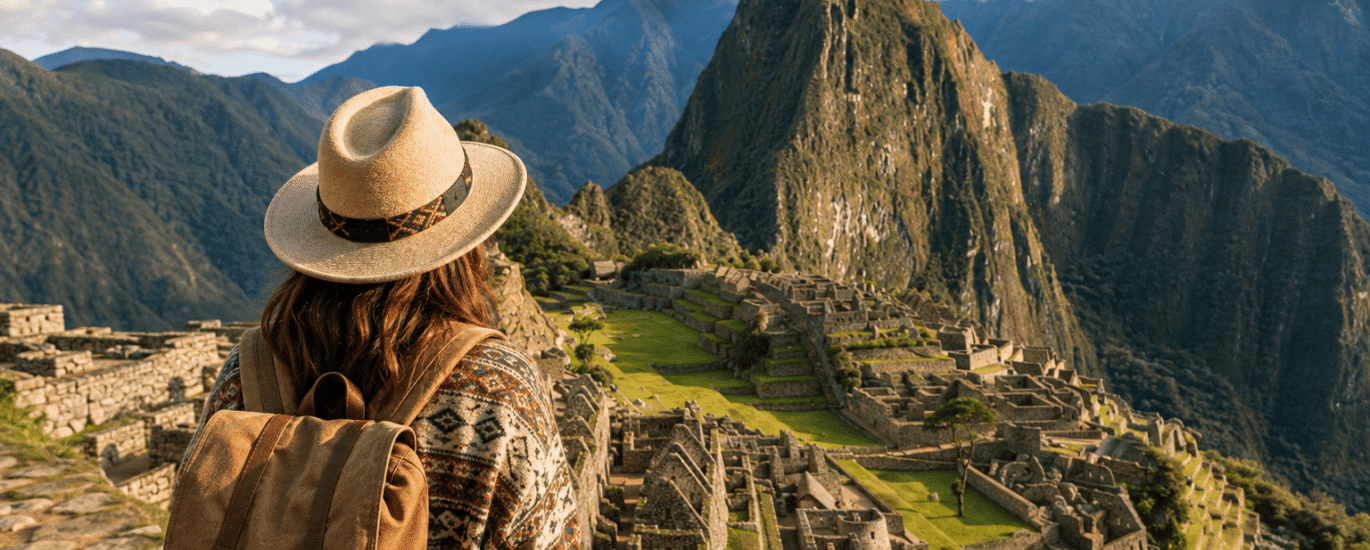
Machu Picchu adds another dimension. UNESCO recognizes the Historic Sanctuary of Machu Picchu for both its cultural importance and its remarkable natural setting.
For a solo traveler, the question is often not whether there is enough to experience.
It is how much of the journey you want to organize and navigate by yourself.
What Small-Group Travel Means for a Solo Traveler
Small-group travel is different from joining a large bus tour.
A well-designed small group should still allow travelers to engage directly with guides, ask questions, spend time in local settings, and enjoy a comfortable pace.
For someone traveling alone, the group can provide structure without removing independence.
You may have:
- Transportation organized between major stops
- Locally based guides
- Prearranged accommodations
- Help coordinating important reservations
- Other travelers to share meals and experiences with
- Free time built into the itinerary
- Support if travel plans change
- Clear information about what happens each day
The goal is not to keep everyone together every minute.
Good small-group travel creates a framework that allows travelers to feel safe and supported while still having room to make the experience their own.
1. You Can Travel Solo Without Feeling Alone
One reason travelers hesitate to take a solo trip is concern about spending every meal, transfer, or sightseeing day alone.
Small-group travel changes that.
You arrive as an individual, but you quickly have other people around you who are discovering the same destination.
That can make everyday parts of travel more enjoyable.
You might share breakfast before a guided visit, compare impressions after an archaeological site, or decide to explore a neighborhood with another traveler during free time.
At the same time, you are not required to socialize constantly.
A thoughtfully planned itinerary should allow people to step away, rest, read, walk independently, or have a quiet meal when they want personal space.
That balance can make solo travel feel more comfortable.
2. Local Expertise Reduces the Planning Burden
Peru is rewarding to explore, but its geography can make logistics more complicated than they first appear.
A typical journey might involve international flights, domestic flights, road transfers, train travel, high-altitude cities, timed attractions, and several hotel locations.
For example, Peru’s official tourism organization notes that many travelers reach Cusco by air, often through Lima.
Someone traveling independently can certainly organize these details.
But not every solo traveler wants to spend hours comparing transfers, checking routes, coordinating arrival times, and figuring out how each piece fits together.
Small-group travel allows much of that work to happen before the trip.
You still experience the journey. You simply spend less time managing it.
3. A Local Guide Adds Context You May Miss Alone
There is an important difference between seeing a place and understanding it.
A guide can explain why a site matters, how historical events connect, what customs are important, and how contemporary communities relate to the places travelers visit.
This is particularly valuable in destinations with complex histories.
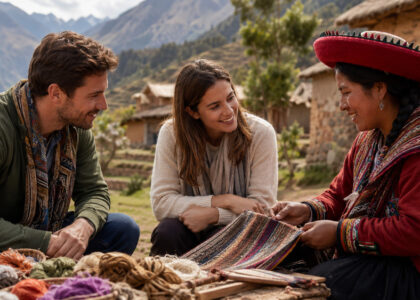
The Sacred Valley, for example, is not simply a scenic route between archaeological attractions. Peru’s official tourism platform describes it as a region where communities continue agricultural, weaving, and cultural traditions alongside significant Inca heritage.
A locally based guide can help travelers understand that context.
Instead of simply taking a photograph and moving on, you can ask:
- Why was this place important?
- How is this tradition practiced today?
- What should visitors understand about the community?
- Which customs should travelers respect?
- How has the region changed?
Those conversations often become some of the most meaningful parts of travel.
4. Shared Experiences Can Create Natural Connections
Meeting people while traveling independently can be unpredictable.
Sometimes conversation happens easily. Other times, everyone at a hotel or restaurant is focused on their own plans.
A small group creates an easier starting point.
You already share at least one interest: experiencing the destination.
That can make conversation feel more natural.
The people in your group may come from different places, generations, careers, or travel backgrounds. You do not have to become lifelong friends for the connection to add value to the trip.
Sometimes it is simply nice to have someone beside you who understands why a particular view, meal, or conversation felt meaningful.
5. Small Groups Can Make Meals More Comfortable
Dining alone is something many experienced solo travelers enjoy.
But not everyone wants to eat every meal alone, especially on a longer international journey.
Group travel creates options.
Some meals may be shared. Others may be completely independent.
That means travelers can enjoy conversation when they want it without losing the freedom to choose a quiet dinner or try a restaurant on their own.
In a destination with such strong regional food traditions, shared meals can also encourage travelers to try dishes they might not have ordered alone.
The key is flexibility.
Meals should feel like part of the travel experience, not another mandatory group activity.
6. You Have Support When Logistics Change
Travel rarely goes exactly according to plan.
Flights can move. Roads can close temporarily. Weather can affect transportation. A reservation may change.
Peru’s government maintains IPERÚ, an official free service that provides tourism information and assistance to domestic and international travelers. It offers information about destinations, routes, attractions, and tourism services, as well as guidance when a contracted tourism service is not delivered as expected.
Travelers should know about resources like this whether they travel independently or with a group.
With a small-group operator, however, there is also someone helping manage the itinerary.
Instead of solving every disruption alone, you may have a guide or travel coordinator working through the options.
That support can be particularly reassuring during a first solo trip abroad.
7. Small-Group Travel Can Still Include Independence
Joining a group should not mean giving up every personal choice.
Before booking, look carefully at the itinerary.
Ask how much free time is included.
A good schedule may offer an organized morning activity followed by an open afternoon. Another day might include a guided cultural visit with time afterward to explore independently.
Free time lets solo travelers:
- Visit a museum that interests them
- Shop at their own pace
- Sit in a café
- Return to a favorite neighborhood
- Rest at the hotel
- Try a restaurant independently
- Spend time photographing a destination
- Simply slow down
The strongest itineraries combine guided experiences with personal choice.
8. Traveling With a Group Can Increase Confidence
Confidence often grows through experience.
A traveler who feels uncertain about navigating a new country alone may feel much more comfortable after spending several days with local guides and becoming familiar with the destination.
You begin to understand:
- How transportation works
- Which neighborhoods you enjoy
- What local meals you prefer
- How to ask basic questions
- What daily routines feel comfortable
- How much walking works for you
That familiarity can make independent free time feel less intimidating.
Small-group travel does not have to replace independence.
It can help build it.
9. It Can Simplify Visits to Major Attractions
Some popular destinations require more planning than simply showing up.
Machu Picchu, for example, is a protected cultural and natural heritage site with visitor management measures designed in part to protect its long-term conservation.
Current tickets, visitor routes, transportation arrangements, and access conditions should always be verified before travel.
A small-group itinerary can coordinate these pieces in advance.
That can be especially useful for solo travelers who would rather focus on understanding the site than managing several separate reservations.
Rules and visitor systems may change, so travelers should confirm current information through official sources or their travel provider before departure.
10. Small Groups Can Support More Respectful Cultural Experiences
Cultural travel works best when people are treated as hosts, professionals, artisans, farmers, cooks, guides, and community members rather than attractions.
Small-group visits can make respectful interaction easier.
A smaller number of travelers may allow more conversation, less disruption, and more personal engagement.
This is particularly important when visiting rural communities.
Peru’s official tourism platform presents community visits in the Sacred Valley as opportunities to learn about living traditions and local livelihoods.
Travelers should approach these experiences with humility.
Ask before taking photographs.
Listen more than you speak.
Avoid making assumptions about people’s lives.
Purchase directly from artisans when appropriate.
And remember that meaningful cultural connection depends on mutual respect, not simply physical access to a community.
How to Choose a Small-Group Peru Trip as a Solo Traveler
Not every group trip is designed the same way.
Before booking, ask specific questions.
What Is the Actual Group Size?
The phrase “small group” can mean different things to different companies.
Ask for the expected maximum number of travelers.
Consider whether that number matches the type of experience you want.
How Much Free Time Is Included?
A solo traveler may want companionship without spending the entire day with the group.
Look for an itinerary with clear periods of independent time.
Is There a Single Supplement?
Some group travel prices assume that two people share a room.
Solo travelers may be charged an additional amount for private accommodations.
Ask:
- Is a private room included?
- Is there a single supplement?
- Can travelers choose a roommate?
- Is room sharing required?
Know the policy before booking.
Who Are the Guides?
Ask whether guides are locally based and how much destination expertise they have.
Strong guides do more than lead people from place to place.
They interpret the destination.
What Is the Daily Pace?
Look beyond the number of attractions.
Ask about:
- Walking time
- Early departures
- Hotel changes
- Driving hours
- Stairs
- Altitude
- Rest periods
- Free evenings
A long list of destinations does not necessarily mean a better journey.
Comfortable pacing often creates more meaningful experiences.
What Happens If I Skip an Activity?
Travelers have different energy levels and interests.
Ask whether you can choose not to participate in an activity and what alternatives are available.
Flexibility matters.
Solo Travel Safety: Stay Informed Without Traveling in Fear
Safety is part of good travel planning, but it should not become the entire focus of the journey.
Government travel advisories can change, and different countries may issue different guidance for their citizens.
The U.S. Department of State currently publishes destination-specific advice for Peru, including regional warnings and recommendations related to transportation, demonstrations, and personal safety. Travelers from other countries should consult their own government’s official travel guidance.
Before departure:
- Review current official travel advisories.
- Keep copies of important documents.
- Use reputable transportation.
- Know how to contact your travel provider.
- Keep emergency information accessible.
- Avoid demonstrations and large unexpected gatherings.
- Follow guidance from local authorities.
- Tell someone you trust about your basic itinerary.
- Keep unnecessary valuables out of sight.
Peru also has an official Tourist Protection Network and tourism-police resources for visitors.
Exact conditions can change, so safety information should be checked again shortly before and during travel.
Practical Tips for Solo Travelers Joining a Group
Before Booking
- Ask for the maximum group size.
- Review the daily walking and activity levels.
- Confirm room arrangements for solo travelers.
- Find out how much free time is included.
- Ask which transportation is organized.
- Learn whether airport transfers are included.
- Confirm who provides on-the-ground support.
- Read cancellation and travel insurance policies carefully.
Before Departure
- Share dietary, mobility, and important travel needs early.
- Save digital and printed copies of reservations.
- Check your government’s current Peru travel guidance.
- Review conditions for each destination.
- Pack medication and essentials in your carry-on.
- Learn basic Spanish greetings and travel phrases.
- Give a trusted person your general itinerary.
During the Trip
- Introduce yourself to the group early.
- Spend time with different people rather than forming one closed circle.
- Take personal time when you need it.
- Tell your guide if something is unclear.
- Ask questions about local history and culture.
- Respect photography and community guidelines.
- Stay flexible when travel conditions change.
- Do not feel obligated to join every optional activity.
What Solo Travelers Should Pack Differently
Solo travelers should think about backup plans because there may not be a travel companion carrying duplicate essentials.
Useful items may include:
- Copies of important documents
- Backup payment methods stored separately
- A portable phone battery
- Important medication in your carry-on
- Emergency contact information
- Comfortable walking shoes
- A lightweight day bag
- Clothing layers appropriate to the itinerary
- Secure storage for passport and cards
Packing needs vary widely depending on whether your trip includes the coast, Andes, Amazon, or several regions.
Check conditions for your exact destinations and travel dates before departure.
Who Is Small-Group Travel Best For?
A small-group Peru journey may be a good fit if you:
- Want to travel without waiting for friends or family to be available
- Enjoy meeting new people
- Want local expertise
- Prefer help managing transportation and reservations
- Like having a clear plan
- Still want some independent time
- Are taking your first major solo trip
- Prefer meaningful cultural experiences over rushed sightseeing
It may be less suitable if you want complete control over every hour or prefer changing destinations spontaneously.
Neither style is better.
The goal is to choose the kind of travel that allows you to feel comfortable, curious, and present.
Key Takeaways
- Solo travel in Peru does not have to mean organizing or experiencing every part of the journey alone.
- Small-group travel can combine independence with companionship, local expertise, and practical support.
- Look for itineraries with genuine free time, manageable group sizes, and comfortable pacing.
- Locally based guides can provide cultural and historical context that is difficult to gain from sightseeing alone.
- Ask about solo-room policies, group size, activity levels, transportation, and flexibility before booking.
- Verify current safety, transportation, attraction, and travel information through official sources before departure.
Frequently Asked Questions
Is Peru suitable for someone traveling alone for the first time?
It can be, especially when the itinerary is thoughtfully planned. A first-time solo traveler may prefer organized transfers, locally based guides, and a small-group structure rather than managing every logistical detail independently.
Will I feel awkward joining a tour by myself?
Solo travelers commonly join group travel experiences specifically because they want both independence and social connection. A smaller group can make introductions and shared activities feel more natural while still allowing personal time.
Will I have to share a hotel room?
That depends on the travel company. Some trips include a private room, while others charge a single supplement or offer roommate matching. Always confirm the exact accommodation policy before booking.
Is small-group travel safer than traveling independently?
No travel style can guarantee safety. Small-group travel can provide added logistical support, guides, organized transportation, and people to contact when plans change. Travelers should still follow current official safety advice and make responsible personal decisions.
Can I explore independently during a group trip?
Many thoughtfully planned small-group itineraries include free time, but schedules vary. Ask how much independent time is included before booking if flexibility is important to you.
Conclusion
Solo travel can be one of the most empowering ways to experience a new destination, but independence does not require doing everything by yourself.
In Peru, a thoughtfully planned small-group journey can provide a valuable balance.
You can share experiences with other travelers, learn from local guides, and have help with important logistics while still enjoying personal time and making your own discoveries.
The right group should not make your journey feel rushed or impersonal.
It should give you enough support to travel with confidence and enough freedom to remain curious.
Before traveling, verify current safety guidance, transportation information, visitor rules, and other important logistics through official sources and your travel provider.
At Explorify, we believe meaningful travel should feel personal, well-supported, and deeply connected to the places and people you visit. If you’re looking for thoughtfully planned small-group travel with local expertise, cultural depth, and a human approach, we’re here to help.