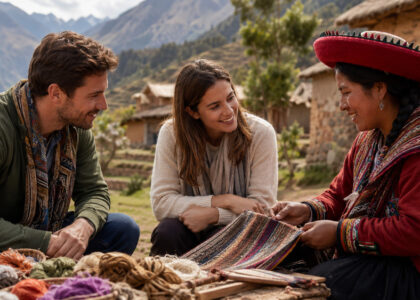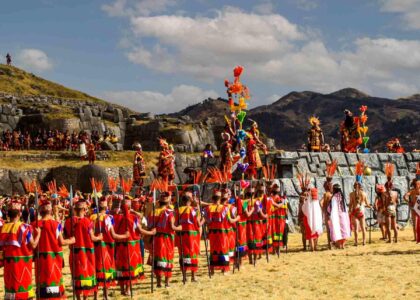

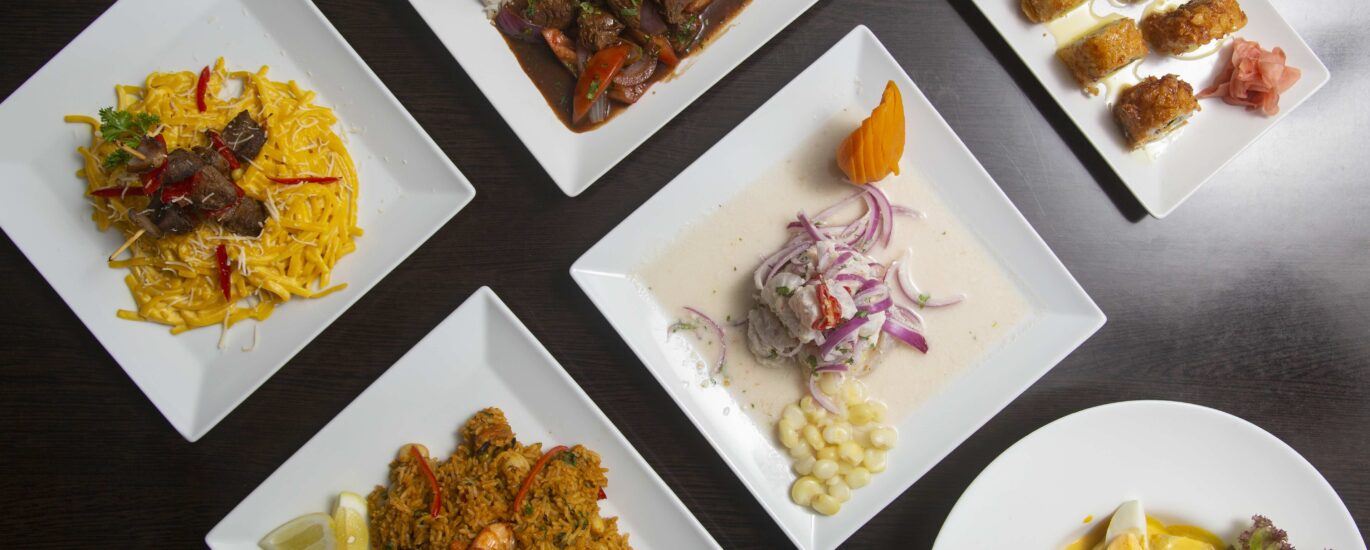
Food can tell you a great deal about a destination.
In Peru, a meal can reveal the geography of a region, the ingredients grown nearby, the influence of migration, and the traditions passed between generations. A bowl of soup in the Andes may tell a different story from a seafood lunch on the coast or a fruit tasting in the Amazon.
Peru’s official tourism platform describes the country’s cuisine as the result of varied landscapes, regional products, and cultures that have shared the same territory for centuries. Each region has its own ingredients, dishes, and ways of preparing food.
For travelers, exploring Peruvian food culture is not simply about trying famous dishes. It is an opportunity to understand the people, places, and histories connected to what appears on the table.
This guide explains how to plan meaningful culinary experiences in Peru through markets, regional restaurants, cooking activities, and conversations with local experts.
Why Food Is an Important Part of Travel in Peru
Peruvian cuisine reflects the country’s environmental and cultural diversity.
The Pacific coast, Andes Mountains, and Amazon region each produce different foods. Cooking traditions have also developed through Indigenous knowledge and generations of cultural exchange.
This means there is no single version of “Peruvian food.” What people eat can vary by city, landscape, season, family, and occasion.
A thoughtfully planned food experience can help travelers:
- Learn where local ingredients come from
- Understand regional history
- Meet cooks, producers, and market vendors
- Recognize the influence of different cultures
- Support locally rooted businesses
- Experience everyday life beyond major attractions
Food-focused travel is most meaningful when it creates connection rather than treating dishes as items on a checklist.
Explore Peru Through Its Regions
One of the best ways to understand Peruvian food culture is to notice how cuisine changes as you travel.
Coastal Cuisine
Peru’s long Pacific coastline plays an important role in its culinary traditions.
Fish and seafood appear in many coastal dishes, including ceviche. However, ceviche is more than a plate of fish and citrus. It is connected to fishing communities, family traditions, local agriculture, celebrations, and social gatherings.
In 2023, UNESCO added the practices and meanings associated with preparing and consuming Peruvian ceviche to the Representative List of the Intangible Cultural Heritage of Humanity. UNESCO highlights not only the recipe but also the knowledge, producers, cooks, fishing practices, and community traditions surrounding it.
Travelers may also encounter coastal dishes influenced by African, Chinese, Japanese, Indigenous, Spanish, and other culinary traditions. These influences are part of Peru’s broader social history rather than separate trends added recently for visitors.
Andean Cuisine
In the Andes, meals often reflect crops and cooking practices adapted to high elevations.
Potatoes, corn, quinoa, beans, herbs, peppers, and other locally grown ingredients may appear in soups, stews, breads, drinks, and main dishes. Recipes vary across communities and regions.
Andean food experiences can be especially meaningful when travelers learn about agriculture, seasonal cycles, and the work required to grow food in mountain environments.
A local guide can help explain why certain ingredients matter and how food connects to family life, trade, celebrations, and the land.
Amazonian Cuisine
Peru’s Amazon region has its own ingredients, cooking methods, and culinary traditions.
Travelers may encounter tropical fruits, freshwater fish, plantains, cassava, regional herbs, and products that are less common in coastal or Andean cities.
Peru’s official tourism platform identifies food activities as one way to explore regional ingredients, including Amazonian fruits such as aguaje, camu camu, and cocona.
Because many ingredients may be unfamiliar, guided tastings can be valuable. A knowledgeable local host can explain how each food is grown, prepared, and traditionally used.
Begin With a Local Market
Markets can provide an introduction to the ingredients and routines behind local cuisine.
They may include fruit vendors, small restaurants, juice counters, bakeries, spice stalls, meat and fish sections, household goods, and prepared foods. Some are primarily neighborhood shopping spaces, while others receive many visitors.
Visit With a Local Guide
A market is easier to understand when someone can explain what you are seeing.
A locally based guide may help you:
- Identify unfamiliar ingredients
- Learn how products are used
- Communicate with vendors
- Understand market etiquette
- Choose safe and appropriate foods to taste
- Recognize which areas are intended for visitors
- Avoid blocking working spaces
A guide can also help prevent the experience from becoming purely observational. The goal should be to learn respectfully, not to treat a working market as a staged attraction.
Ask Before Taking Photographs
Markets are workplaces.
Always ask before photographing vendors, customers, cooks, or displays at close range. A person may prefer not to be photographed even when the market itself allows photography.
When permission is given, take the photo without interrupting business or creating a long setup.
Buy With Respect
Purchasing fruit, snacks, spices, or handmade products can support local vendors, but transactions should remain respectful.
Avoid aggressive bargaining over small amounts. Prices reflect labor, transportation, rent, farming, and other costs that may not be visible to visitors.
Ask your guide whether bargaining is normal in that specific setting rather than assuming it is expected everywhere.
Try Regional Dishes, Not Only Famous Ones
Ceviche, lomo saltado, and other internationally recognized dishes can be part of a Peru culinary journey. However, they represent only a small part of the country’s food culture.
Ask local guides or restaurant staff about:
- Dishes associated with the region
- Ingredients currently in season
- Foods commonly prepared at home
- Traditional breakfast or lunch choices
- Local breads and desserts
- Regional drinks
- Vegetarian dishes
- Recipes connected to festivals or family occasions
These questions often lead to more interesting discoveries than simply searching for the country’s most photographed meal.
Learn the Story Behind the Dish
A dish becomes more meaningful when you understand its context.
Consider asking:
- Where do the main ingredients come from?
- Is this eaten every day or for special occasions?
- Has the recipe changed over time?
- Are there different versions in other regions?
- Who usually prepares it?
- Is it connected to a particular community or celebration?
There may not be one universal answer. Food traditions can vary between families, neighborhoods, and generations.
Consider a Cooking Class
A well-designed cooking class can provide more than recipe instructions.
It may introduce travelers to local ingredients, preparation methods, regional history, and the people who keep culinary traditions active.
Peru’s official tourism website presents market visits and cooking activities as ways to experience local gastronomy, particularly in Lima.
What to Look for in a Cooking Experience
Before booking, ask:
- Who teaches the class?
- Is the instructor locally based?
- Does the experience explain cultural context?
- Are local producers or markets involved?
- How large is the group?
- Can dietary needs be accommodated?
- Is the kitchen professionally managed?
- Are recipes shared after the class?
- How are participating cooks and vendors compensated?
Smaller groups may allow more conversation and personal instruction.
Avoid Treating One Recipe as the Only Authentic Version
Traditional dishes often have regional and family variations.
A respectful instructor will usually explain that the recipe being taught is one version rather than claiming it is the only correct preparation.
Travelers can appreciate the experience without judging other versions as less authentic.
Understand Ceviche Beyond the Recipe
Ceviche is one of Peru’s best-known dishes, but focusing only on its ingredients can overlook its deeper meaning.
UNESCO explains that ceviche is prepared and consumed in homes, restaurants, traditional cevicherías, and during celebrations. Its cultural value includes artisanal fishing, agricultural products, traditional cooking knowledge, and the role of cooks in maintaining and sharing the practice.
For travelers, this creates an opportunity to ask broader questions:
- Where was the fish sourced?
- Which regional version is being served?
- What local ingredients accompany it?
- Who prepared the dish?
- Is it associated with a particular occasion?
- How does the recipe differ in another part of Peru?
This approach turns a meal into a lesson in place, community, and living heritage.
Plan for Dietary Needs Before the Trip
Travelers with allergies, medical diets, religious restrictions, or strong food preferences should discuss their needs before departure.
Do not assume that a familiar dietary label will be understood in exactly the same way in every destination.
Share Specific Information
Instead of saying only, “I have an allergy,” provide clear details about:
- The exact ingredient
- Whether cross-contact is a concern
- How serious the reaction can be
- Foods that may contain the ingredient
- Safe alternatives
- What to do during an emergency
A translated allergy card may help, but it should not replace a conversation with the travel company, guide, restaurant, or qualified healthcare professional.
Ask About Flexible Meal Options
A thoughtfully planned itinerary should leave room for different needs.
Travelers may need:
- Vegetarian or vegan choices
- Gluten-free options
- Lower-sodium meals
- Familiar foods on some days
- Smaller portions
- Meals at consistent times
- Breaks between tastings
- Alcohol-free alternatives
These requests should be discussed early rather than after arriving at a restaurant.
Follow Practical Food-Safety Habits
Food experiences should feel enjoyable and supported, but travelers still need to make thoughtful choices.
Basic habits may include:
- Washing or sanitizing hands before eating
- Drinking water from a source considered safe for travelers
- Choosing food that is cooked and served at an appropriate temperature
- Being careful with foods that have been sitting uncovered
- Following personal medical guidance
- Informing a guide about allergies
- Avoiding an ingredient when its identity is unclear
Travel-health recommendations can vary according to a traveler’s medical history, destination, and itinerary. Speak with a healthcare professional before departure and review current guidance from the appropriate health authority.
Requirements and recommendations may change, so verify relevant information shortly before traveling.
Support Responsible Food Tourism
Responsible food tourism considers the people and systems behind the meal.
Travelers can support this approach by choosing experiences that:
- Employ locally based guides and cooks
- Purchase ingredients from local producers
- Respect community spaces
- Explain cultural context accurately
- Keep groups at a manageable size
- Reduce unnecessary waste
- Avoid exploiting people as visual attractions
- Credit the communities connected to a tradition
- Compensate participants fairly
A high price does not automatically make an experience responsible, and a simple experience is not automatically less meaningful.
Ask where the money goes and who benefits from the activity.
Make Room for Conversation
Some of the most memorable food experiences happen through conversation rather than formal instruction.
A guide, cook, farmer, or market vendor may explain how a recipe changed, why a crop grows well in a certain region, or how a dish is connected to a family celebration.
These conversations should develop naturally. Travelers should not expect local people to perform their culture or share personal stories on demand.
Meaningful cultural connection grows through patience, listening, and genuine curiosity.
Build Food Experiences Into a Comfortable Itinerary
Trying too many foods in one day can make the experience feel rushed.
A balanced itinerary might include:
- A morning market visit
- One guided tasting
- Time for a relaxed lunch
- A cultural activity unrelated to food
- A free evening
Another day might include a cooking class followed by rest rather than another large meal.
Avoid Scheduling Every Meal
Not every breakfast, lunch, and dinner needs to be a formal culinary event.
Unplanned meals give travelers space to follow recommendations, revisit a favorite dish, or choose something familiar when they need a break.
Balance Famous Restaurants With Local Places
A celebrated restaurant can be a meaningful part of the journey, but it should not be the only way travelers experience Peruvian cuisine.
Neighborhood restaurants, bakeries, markets, family-run establishments, and regional dining rooms may provide different forms of cultural insight.
Reservations, opening hours, menus, fees, and availability can change. Confirm all important details directly with the establishment or travel planner before the trip.
Practical Tips for Exploring Peruvian Food Culture
Before Traveling
- Tell your travel planner about allergies and dietary needs.
- Research the regions included in your itinerary.
- Learn basic Spanish phrases related to food.
- Ask whether market visits include local guides.
- Confirm which meals are included in the trip.
- Leave room in the itinerary for spontaneous recommendations.
- Consult a healthcare professional about personal travel-health needs.
At Markets and Restaurants
- Ask before taking photographs.
- Let vendors serve other customers without interruption.
- Request permission before touching produce or displays.
- Ask questions with curiosity rather than judgment.
- Try unfamiliar food only when you feel comfortable.
- Avoid describing unfamiliar dishes as strange or unusual.
- Tip according to local guidance and the setting.
During Cooking Experiences
- Listen to the cultural explanation, not only the recipe.
- Ask where ingredients come from.
- Respect food-handling instructions.
- Recognize that recipes may have several valid versions.
- Credit the instructor when sharing what you learned.
- Avoid presenting yourself as an expert after one class.
Key Takeaways
- Peruvian food culture changes across the coast, Andes, Amazon, cities, and individual communities.
- Local guides can help travelers understand ingredients, customs, and regional history.
- Markets should be approached as working community spaces, not staged attractions.
- Ceviche represents cultural knowledge and social traditions beyond its recipe.
- Dietary needs and food-safety concerns should be discussed before travel.
- Responsible culinary experiences support local people, respect traditions, and allow time for genuine connection.
Frequently Asked Questions
What food should first-time visitors try in Peru?
There is no single required list. Begin with regional dishes recommended by local guides, cooks, or restaurant staff. Ask about seasonal ingredients and foods connected to the destinations on your itinerary.
Is Peruvian food very spicy?
Some Peruvian dishes include ají peppers, but heat levels vary widely. Peppers may also be used for flavor rather than intense heat. Ask how a dish is prepared before ordering.
Can vegetarian travelers enjoy Peruvian cuisine?
Vegetarian options are available in many destinations, especially when needs are communicated in advance. Availability varies by restaurant, region, and itinerary, so confirm arrangements before traveling.
Are local markets safe for travelers to visit?
Many markets welcome visitors, but conditions and layouts vary. Going with a knowledgeable local guide can make the visit easier and help with food choices, etiquette, transportation, and communication. Travelers should also review current destination guidance before departure.
Is a cooking class worth adding to a Peru itinerary?
A cooking class can be valuable when it includes local instruction, cultural context, responsible sourcing, and enough time for conversation. Choose the experience based on the teacher and approach, not only the number of dishes included.
Conclusion
Exploring Peruvian food culture is about more than finding the most famous dish.
It is about understanding how food connects landscapes, ingredients, migration, work, family traditions, and community life. A market visit, regional meal, or cooking class becomes more meaningful when travelers have time to listen and learn.
Choose experiences guided by local expertise. Ask thoughtful questions. Respect the people whose knowledge makes each meal possible. Balance planned activities with space for discovery.
Restaurant availability, market conditions, dietary accommodations, travel guidance, entry rules, and health recommendations may change. Verify important details with official sources, qualified professionals, and your travel provider before departure.
At Explorify, we believe meaningful travel should feel personal, well-supported, and deeply connected to the places and people you visit. If you’re looking for thoughtfully planned small-group travel with local expertise, cultural depth, and a human approach, we’re here to help.
GET IN TOUCH
Let's Plan Your Next Adventure!
Have questions or ready to start planning? Our team is here to help you create the perfect journey. Reach out to us through the form below, drop us an email, or give us a call. We’re excited to hear from you and turn your travel dreams into reality.