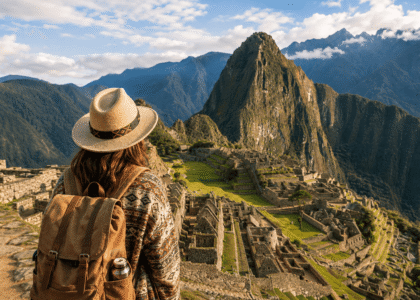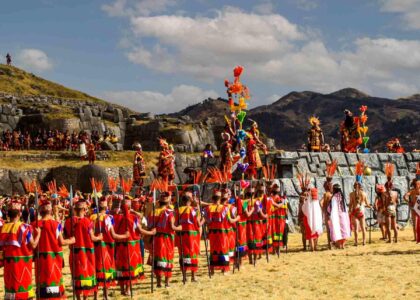

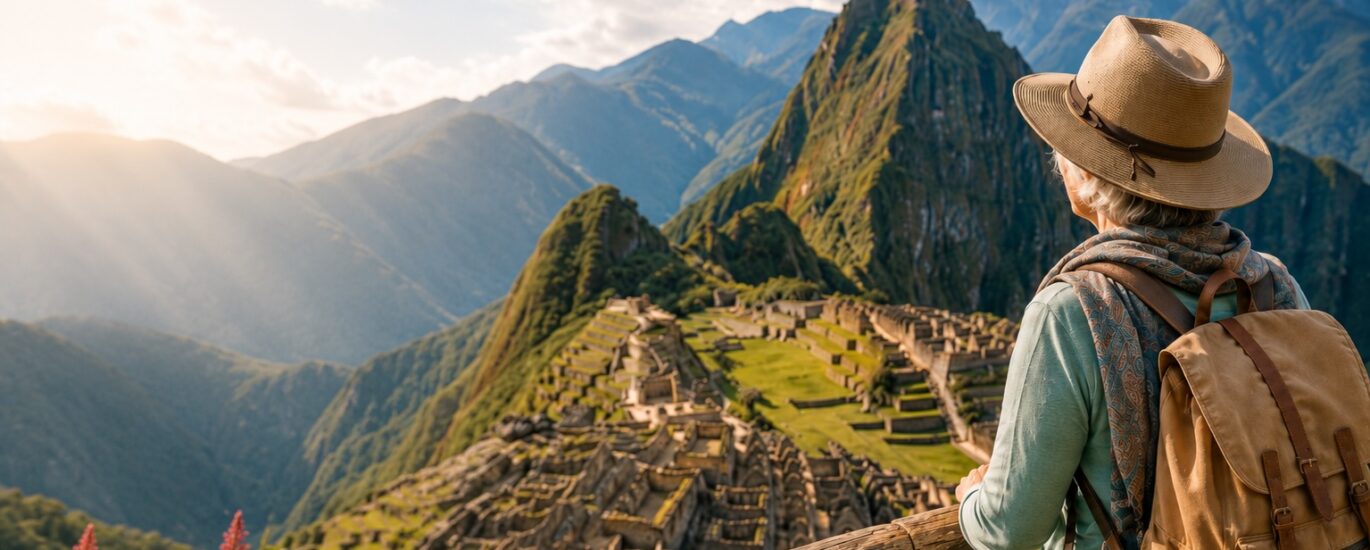
Peru can be a rewarding destination at almost any stage of life. Its landscapes, historic cities, regional food, and living cultural traditions offer much more than a quick visit to Machu Picchu.
For older travelers, however, a successful trip often depends on how the journey is planned. A crowded schedule, rapid changes in altitude, long travel days, and limited rest can make an otherwise exciting itinerary feel tiring.
Senior travel in Peru does not need to be rushed or physically demanding. With comfortable pacing, local expertise, thoughtful transportation, and time to adjust, travelers can experience the country in a way that feels both meaningful and well-supported.
This guide explains how older adults can prepare for a Peru trip, choose a suitable itinerary, manage altitude, and travel with greater confidence.
Is Peru a Good Destination for Older Adults?
Peru can be a good destination for older adults when the itinerary matches each traveler’s health, mobility, interests, and preferred pace.
The country offers many different types of experiences, including:
- Guided walks through historic neighborhoods
- Scenic train journeys
- Archaeological sites
- Museums and cultural centers
- Local markets
- Culinary experiences
- Community visits
- Nature and wildlife observation
- Comfortable city and countryside stays
Not every traveler needs to complete a multi-day trek or follow a fast sightseeing schedule. Many of Peru’s best experiences can be enjoyed through carefully planned day visits, private transportation, knowledgeable guides, and shorter periods of walking.
Small-group travel can also provide helpful structure. Travelers can benefit from coordinated logistics and local support while still having space for personal attention and meaningful cultural connection.
Why Comfortable Pacing Matters in Peru
Travel in Peru may include early departures, uneven streets, stairs, changing elevations, and several hours of transportation between destinations.
A thoughtfully planned itinerary should balance active experiences with rest.
Avoid Changing Hotels Every Night
Frequent hotel changes can create unnecessary fatigue. Staying two or three nights in the same place gives travelers more time to settle in and enjoy the destination.
A slower schedule may also provide flexibility when someone needs a quiet afternoon, additional sleep, or time to recover after a long flight.
Limit the Number of Major Activities Each Day
Trying to visit several archaeological sites, museums, and markets in one day may reduce enjoyment.
One main activity in the morning and a lighter experience in the afternoon can create a more comfortable rhythm. Meals, transportation, and rest periods should be treated as part of the schedule rather than squeezed between attractions.
Build in Unscheduled Time
Free time does not mean wasted time. It can give travelers space to rest, explore a neighborhood, enjoy a café, or speak with a local guide without watching the clock.
Comfortable pacing often allows for deeper engagement because travelers are less focused on reaching the next stop.
Plan Carefully for Altitude
Altitude is one of the most important considerations when planning senior travel in Peru.
Cusco is located at more than 3,300 meters, or approximately 11,000 feet, above sea level. Peru’s official tourism website notes that some visitors may experience symptoms such as headaches, tiredness, dizziness, nausea, or shortness of breath as their bodies adjust.
The CDC advises travelers going above 8,000 feet to consider the risk of altitude illness and recommends gradual ascent when possible. It also encourages travelers to speak with a medical professional about prevention and treatment before traveling.
Speak With a Healthcare Professional Before Departure
Older adults, especially those with heart, lung, blood pressure, mobility, or other ongoing health concerns, should discuss the itinerary with their healthcare professional.
A doctor can help review:
- The highest elevations on the itinerary
- Prescription medications
- Mobility concerns
- Previous reactions to altitude
- Travel insurance needs
- Emergency planning
- Whether additional medical preparation is appropriate
This article provides general travel-planning information and is not personal medical advice.
Consider Starting at a Lower Elevation
Some travelers choose to enter the Cusco region gradually rather than beginning with a full day of sightseeing immediately after arriving.
A well-designed itinerary may include a calm arrival day or time in a lower-elevation location before longer visits in Cusco. The best sequence depends on the route, available transportation, lodging, and the traveler’s medical needs.
Keep the First Day Light
After arriving at elevation, travelers should avoid assuming they will feel ready for a full schedule.
A gentle arrival day might include:
- Hotel check-in
- A simple meal
- Hydration
- A short orientation
- Light walking near the hotel
- An early night
Travelers should follow the advice of qualified medical professionals and seek help if symptoms become severe or worsen.
Choose Transportation That Reduces Strain
Transportation can shape the entire experience.
Use Reliable, Prearranged Transfers
Prearranged airport, hotel, and train-station transfers reduce uncertainty. They can also make it easier to plan for luggage, walking distance, vehicle access, and rest stops.
Travel conditions can change, and road closures or local disruptions may affect routes. Government travel advisories recommend reviewing current safety information and being prepared to adjust plans. These details should always be checked again shortly before departure.
Ask About Vehicle Access
Historic centers may have narrow streets, stairs, traffic restrictions, or areas where vehicles cannot stop directly beside an entrance.
Before booking, ask:
- How far is the walk from the vehicle to the hotel?
- Are stairs required?
- Is luggage assistance available?
- Does the vehicle have a comfortable step height?
- Are regular restroom stops included on long drives?
- Is air conditioning or heating available when needed?
These questions are practical, not excessive. Clear answers help travelers prepare with confidence.
Avoid Overly Long Travel Days
A route may look simple on a map but still require several hours of driving, airport waiting, or train connections.
It is often better to divide a long journey into manageable parts than to combine transportation and a major tour on the same day.
Review Walking Conditions Before Booking
Peru’s historic sites and older neighborhoods were not designed around modern accessibility standards.
Travelers may encounter:
- Cobblestone streets
- Uneven stone surfaces
- Steep paths
- Narrow sidewalks
- High steps
- Limited seating
- Slippery areas during rain
- Long distances between restrooms
Machu Picchu is a protected cultural and natural site located in a dramatic mountain setting. UNESCO describes it as a major legacy of the Inca civilization and notes its importance as both a cultural and natural heritage area.
Because visitor routes, access rules, and conservation measures can change, travelers should verify current circuit information, ticket conditions, and mobility requirements before booking.
Ask Specific Mobility Questions
Instead of asking whether an activity is “easy,” ask for measurable details:
- How many minutes will we walk?
- Is the surface paved, stone, dirt, or gravel?
- How many stairs are involved?
- Are handrails available?
- Can the visit be shortened?
- Are benches or resting points available?
- Is there an alternative experience for someone who cannot complete the full route?
Terms such as “easy” and “moderate” can mean different things to different people.
Bring the Mobility Support You Normally Use
Travelers who regularly use a cane, walking poles, braces, or another mobility aid should not leave it behind simply because they hope they will not need it.
Confirm airline policies, local transportation space, site restrictions, and hotel storage before departure.
Select Hotels for Comfort, Not Only Location
A centrally located hotel may appear convenient, but comfort details matter just as much.
Consider asking whether the hotel has:
- An elevator
- Ground-floor rooms
- Walk-in showers
- Grab bars
- Nonslip bathroom surfaces
- Air conditioning or heating
- Quiet rooms
- On-site dining
- Twenty-four-hour reception
- Staff who can assist with luggage
- Easy vehicle access
A beautiful historic building may include stairs or layout limitations. Always request clear information rather than assuming that every room has the same access.
Pack for Changing Conditions
Peru includes coastal, mountain, valley, and rainforest environments. Packing needs vary greatly depending on the route and season.
Travelers should check official destination guidance and the expected conditions for their exact travel dates rather than relying on general descriptions.
A practical packing list may include:
- Comfortable, broken-in walking shoes
- Lightweight layers
- A warm outer layer for highland mornings and evenings
- Rain protection when appropriate
- Sun protection
- A reusable water bottle
- Prescription medications in original packaging
- Copies of important prescriptions
- Spare glasses or contact lenses
- A small personal health kit
- Any regular mobility aid
- A lightweight day bag
The CDC’s Peru packing guidance recommends bringing sufficient prescription medication and considering backup supplies such as spare glasses or contacts. Travelers should ask their healthcare professional which health items are appropriate for their needs.
Travel Insurance Deserves Careful Attention
Travel insurance policies differ widely.
Older travelers should review coverage for:
- Trip cancellation
- Trip interruption
- Delayed transportation
- Lost luggage
- Medical treatment abroad
- Preexisting medical conditions
- Emergency evacuation
- High-altitude destinations
- Mobility equipment
- Activities included in the itinerary
Do not assume that a standard policy covers every destination, condition, or activity. Read the policy language carefully and contact the provider with specific questions.
Keep digital and printed copies of the policy and emergency contact information.
How Local Guides Improve the Experience
Local guides offer more than navigation.
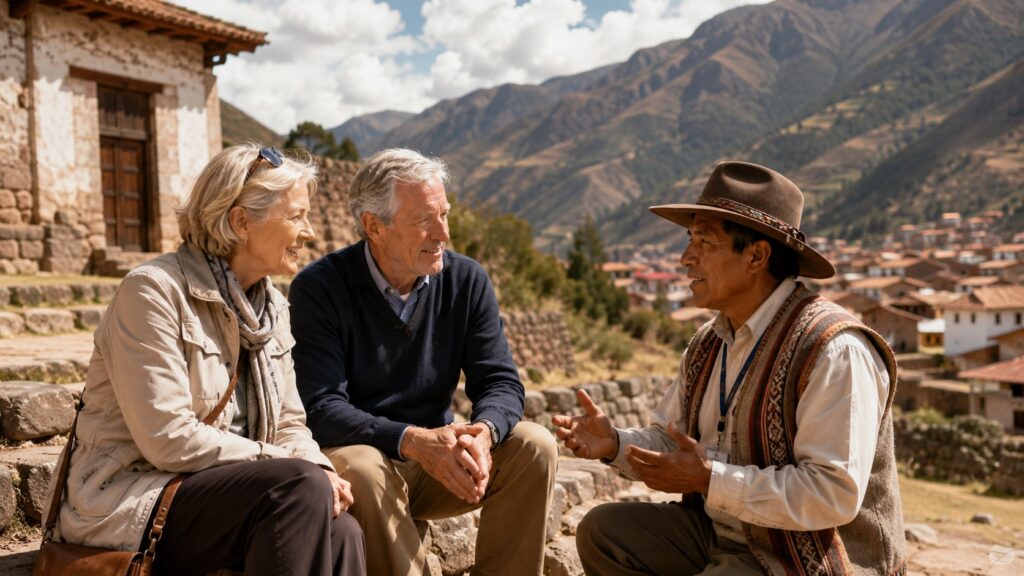
A knowledgeable guide can help travelers understand historical context, regional traditions, local customs, and the modern communities connected to the places being visited.
Local expertise is especially helpful when an itinerary includes:
- Changing transportation conditions
- Language differences
- Site-specific visitor rules
- Cultural etiquette
- Market visits
- Regional food
- Altitude awareness
- Adjustments for mobility or energy levels
A good guide should never pressure travelers to move faster than is safe or comfortable. The goal is not to complete the largest possible number of activities. It is to create authentic experiences with enough time to understand what makes each place meaningful.
Small-Group Travel Versus Independent Travel
Both independent and small-group travel can work well for older adults. The best choice depends on experience, confidence, language skills, mobility, and personal preference.
Benefits of Small-Group Travel in Peru
Small-group travel may provide:
- Coordinated airport and hotel transfers
- Local guides
- Support when plans change
- A clear daily schedule
- Help with tickets and reservations
- Social connection
- More personal attention than a large tour
- Shared experiences without mass-tour pacing
Traveling with a smaller group may also make it easier to discuss individual needs before the trip.
Questions to Ask a Tour Company
Before booking, ask:
- What is the expected group size?
- How much walking is included each day?
- What are the highest elevations?
- How many one-night hotel stays are included?
- Are luggage assistance and transfers provided?
- Can dietary needs be accommodated?
- What happens if a traveler needs to skip an activity?
- Is emergency support available?
- Are guides based locally?
- How much free time is included?
A trustworthy travel company should respond clearly and honestly.
Cultural Respect and Meaningful Travel
Peru is not simply a collection of archaeological sites and scenic viewpoints. It is a diverse country with living Indigenous traditions, modern cities, regional identities, and communities whose histories continue into the present.
Travelers can show respect by:
- Asking before photographing people
- Following guidance at sacred and historic sites
- Learning a few basic Spanish phrases
- Buying directly from artisans when possible
- Avoiding bargaining that undervalues handmade work
- Listening to local perspectives
- Supporting locally owned businesses
- Treating communities as people, not attractions
- Following conservation and visitor rules
Responsible tourism begins with curiosity and humility. A meaningful cultural connection comes from listening, asking thoughtful questions, and allowing local people to describe their own traditions and experiences.
Peru’s official tourism platform and the free IPERU visitor service provide official destination information and assistance related to attractions, routes, and tourism services.
Practical Tips for Senior Travel in Peru
Before the Trip
- Review the itinerary with your healthcare professional.
- Confirm passport and entry requirements with official government sources.
- Check current travel advisories.
- Purchase suitable travel insurance.
- Request hotel accessibility details in writing.
- Share mobility, dietary, and health-related needs with the travel company.
- Keep medications in your carry-on luggage.
- Leave room in the schedule for rest.
During the Trip
- Move at your own pace.
- Use handrails and mobility aids when available.
- Stay hydrated according to your medical needs.
- Wear supportive shoes.
- Protect yourself from the sun.
- Tell the guide when you need a break.
- Avoid skipping meals during long travel days.
- Keep emergency contacts accessible.
- Do not ignore worsening symptoms at altitude.
Before Visiting Major Sites
- Confirm current ticket rules.
- Review the walking route.
- Ask about stairs and uneven surfaces.
- Check whether restrooms are available.
- Carry only what you need.
- Follow instructions from site staff and local guides.
Key Takeaways
- Peru can be a suitable destination for older adults when the itinerary includes comfortable pacing and realistic activity levels.
- Altitude preparation should be discussed with a healthcare professional before travel.
- Fewer hotel changes and lighter arrival days can reduce fatigue.
- Specific mobility questions are more useful than broad labels such as “easy walking.”
- Small-group travel can provide local expertise, coordinated logistics, and a greater sense of support.
- Entry rules, safety guidance, health recommendations, tickets, and transportation conditions should be verified before departure.
Frequently Asked Questions
Is Machu Picchu suitable for older travelers?
Many older adults visit Machu Picchu, but suitability depends on mobility, balance, health, altitude tolerance, and the visitor route in use at the time. The site includes uneven stone, steps, slopes, and limited places to sit. Current circuits and access rules should be verified before booking.
How many days should older travelers spend in Peru?
There is no single ideal trip length. A longer itinerary with fewer activities per day is often more comfortable than a short, rushed trip. The route should include time for transportation, altitude adjustment, meals, and rest.
Can I visit Peru without completing a trek?
Yes. Peru offers cultural, historical, culinary, scenic, and community-based experiences that do not require multi-day trekking. Machu Picchu can also be reached using train and bus transportation, although walking and stairs are still involved at the site.
Is Cusco’s altitude dangerous for seniors?
Age alone does not determine how someone will respond to altitude. Individual health conditions, rate of ascent, prior experience, and other factors matter. Travelers should discuss the itinerary with a healthcare professional and seek medical care if serious or worsening symptoms develop.
Is a private tour better than small-group travel?
A private tour may offer maximum flexibility, while a thoughtfully planned small-group journey can provide support, companionship, and local expertise. The best option depends on the traveler’s budget, desired level of independence, and personal needs.
Conclusion
Senior travel in Peru is not about fitting every famous destination into the shortest possible schedule. It is about designing a journey that respects the traveler, the destination, and the experience itself.
Comfortable pacing, carefully selected hotels, reliable transportation, altitude preparation, and local guidance can make a major difference. When travelers have the time and support they need, they can focus less on logistics and more on Peru’s history, food, landscapes, and living cultures.
Travel conditions, health recommendations, entry requirements, site rules, and transportation details can change. Verify all important information with official sources, qualified healthcare professionals, and your travel provider before departure.
At Explorify, we believe meaningful travel should feel personal, well-supported, and deeply connected to the places and people you visit. If you’re looking for thoughtfully planned small-group travel with local expertise, cultural depth, and a human approach, we’re here to help.